
Every September, the arrival of a new registration plate gives the UK automotive industry a useful snapshot of what is changing. This year, one of the most interesting things to watch won’t simply be how many new cars are registered, but the names appearing on the badges.
BYD is rapidly becoming an established presence on UK roads. Chery is expanding through its own name alongside OMODA and JAECOO. Changan is building its UK footprint, while other Chinese manufacturers including Xpeng, Leapmotor and Geely are either already here or preparing to enter the market.
The speed of that change is remarkable. But while most of the attention understandably goes to sales figures, new models and market share, there’s another side to the story that is just as interesting to those of us who spend our working lives around vehicle finance and asset assurance.
Because getting thousands of vehicles from a factory in China to customers across the UK requires an enormous amount to happen in between. Cars need to be shipped, imported, stored, prepared and distributed. Finance needs to support that journey, dealer networks need to grow quickly enough to sell them and, at every stage, somebody needs to know where those vehicles are and what condition they’re in.
That’s where the growth of Chinese manufacturers starts to become an interesting governance story as well as an automotive one.
A rapidly changing UK market
The numbers give some idea of just how quickly things are moving. UK registration data for the year to date in 2026 shows BYD recording almost 44,400 registrations, double its total for the equivalent period in 2025. Chery, meanwhile, recorded over 21,000 registrations despite having had no meaningful presence in the figures for 2025.
Look across the market and the shift becomes clearer still. Chinese-owned brands including BYD, Changan, Chery, Xpeng, MG, Leapmotor, OMODA, Geely and JAECOO are now taking a significant share of UK registrations, with market share for new-entrant brands sitting at 15.8% of the new car market in the UK, according to This Is Money. The infrastructure needed to support those volumes is having to develop at a similar pace.
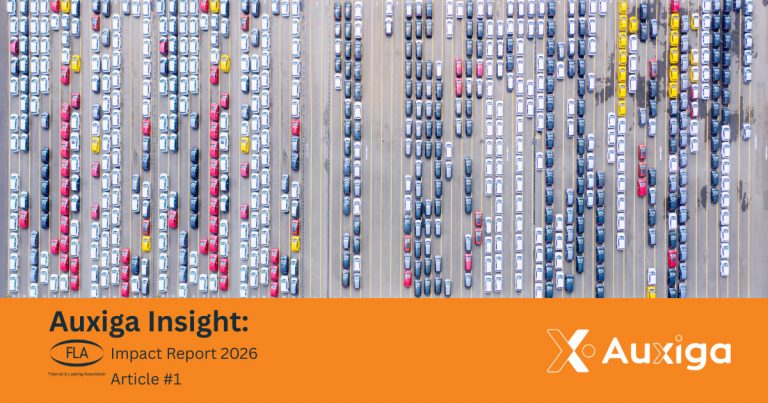
For many of the newer entrants, large-scale importation of finished vehicles remains fundamental to that growth. Ships arrive carrying substantial numbers of vehicles, which then move through UK ports and storage compounds before being prepared and distributed onwards to dealer networks around the country.
That creates a very different picture from the one a customer sees when they walk into a showroom, but it’s an important part of understanding how this rapidly growing part of the UK automotive market actually works.
The finance starts long before someone signs a HP or PCP agreement
When most of us think about motor finance, we naturally picture the point of sale. Someone chooses a car, works out the monthly payment and signs a PCP, HP or other finance agreement before driving away.
In reality, there can be significant financial relationships supporting those vehicles long before that happens.
Several Chinese manufacturers establishing themselves in Britain have entered into strategic partnerships with major international automotive finance providers. Those